
Real Estate
Sandbags provide first-line defense against upcoming flooding. Here's where to find them.
By Marcus Chen
Advertisement · Why this ad?
Marcus manages the day-to-day editorial workflow across all brands, coordinating coverage assignments and ensuring editorial standards are met. He previously served as city editor at the Pioneer Press and holds a degree in Political Science from Carleton College.
More from Marcus →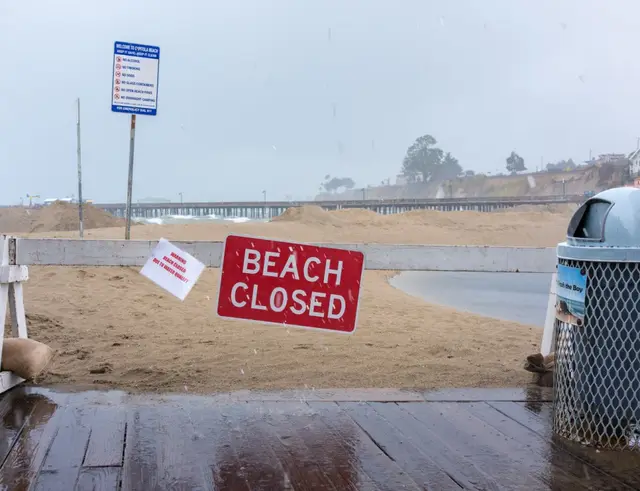
The familiar roar of the Pacific is taking on a more ominous tone along stretches of the Santa Cruz County coastline, as residents in low-lying areas from Capitola Village to Aptos are under an evacuation warning due to dangerously high surf. At 2 p.m. Friday, the Santa Cruz County Sheriff’s Office issued the warnings, urging those living in vulnerable neighborhoods to consider leaving before conditions worsen. This isn't an isolated incident; it's the latest in a series of increasingly frequent and intense coastal weather events that are testing the resilience of Santa Cruz County communities. The timing is particularly poignant, following a recent beach closure due to an E. coli outbreak and occurring against a backdrop of long-term concerns about sea-level rise and coastal erosion.
The warnings encompass several zones: Capitola Village (CTL-E027-A and CTL-E029-B), Las Olas Drive and Beach Drive (CTL-E048), and Pot Belly Beach Road (CTL-E031). Residents in these areas are facing the potential for flooding and disruptions to access, as waves could reach homes and damage roadways, hindering emergency response. The Sheriff’s Office emphasized that if waves impact properties or roads, emergency crews may experience delays or be unable to reach those who need assistance. This highlights a critical vulnerability – the potential for coastal communities to become isolated during severe weather events, making self-sufficiency and neighborly support even more crucial. The history of these areas, often built on reclaimed land or with limited initial consideration for coastal hazards, contributes to this vulnerability. Many homes were constructed before current building codes were in place, leaving them susceptible to wave damage.
This situation follows a broader pattern of severe weather impacting the Bay Area, with the National Weather Service forecasting gusts of up to 40 mph and breaking waves potentially reaching 25 to 35 feet along portions of the coast. A high surf warning remains in effect, prompting widespread closures and precautions across the region, highlighting the vulnerability of coastal communities. The Santa Cruz City Council has closed all beaches and the Santa Cruz Wharf from 10 p.m. Friday through 5 a.m. Sunday, a measure intended to protect residents and visitors from the potentially dangerous conditions. The geography of this coastline, characterized by steep cliffs and narrow beaches, naturally amplifies the impact of large swells, making these warnings particularly critical. The Monterey Bay’s unique underwater topography, with its submerged canyons and reefs, can also refract and amplify wave energy, contributing to the severity of the surf. Santa Cruz County’s history is deeply intertwined with the ocean; from its early days as a whaling hub to its current status as a surfing mecca, the coastline has shaped the region’s economy and culture. However, this intimate relationship also makes the county particularly susceptible to the impacts of rising sea levels and increasingly powerful storms.
The Santa Cruz City Council, prioritizing public safety, announced Friday that all beaches and the Santa Cruz Wharf will be closed from 10 p.m. Friday through 5 a.m. Sunday. This closure, contingent on weather conditions, aims to prevent injuries and potential rescues by keeping people away from hazardous coastal areas. “Our first priority is keeping our community safe, and we ask everyone to make safety their priority, too,” Santa Cruz Fire Chief Rob Oatey stated in a release. “Entering the water or approaching hazardous coastal areas puts not only your life at risk, but also the lives of the marine safety personnel who may be called upon to rescue you. Please respect these closures and give the ocean the space it demands.” The Santa Cruz Wharf, a historic landmark and popular tourist destination, is particularly susceptible to damage from high surf, making its closure a necessary precaution. The Wharf's wooden pilings, while regularly inspected, are vulnerable to undermining from powerful wave action. The economic impact of this closure on local businesses that rely on wharf traffic is also a concern, particularly as the tourism industry continues to recover from pandemic-related disruptions. The closure underscores the ongoing tension between preserving recreational opportunities and safeguarding public safety in coastal areas.
The closure isn’t just a matter of inconvenience; it represents a serious public safety concern. The potential for large, powerful waves underscores the importance of heeding official warnings and avoiding coastal access points. Residents are advised to stay informed and prepared, as the city will continue monitoring conditions over the weekend and provide updates if closures need to be extended or modified. This ongoing vigilance is crucial given the unpredictable nature of coastal weather patterns. The city’s emergency management team is working closely with the National Weather Service and other agencies to track the storm’s progress and anticipate potential impacts. The county's emergency preparedness efforts have been bolstered in recent years, including the development of community evacuation plans and the establishment of a local emergency alert system, but the effectiveness of these measures will be continually tested by increasingly severe weather events. The lessons learned from past coastal storms, like the significant flooding in Capitola in 2017, are informing current preparedness strategies.
Beyond the immediate threat of flooding, these intense weather events serve as a stark reminder of the ongoing challenges faced by coastal communities in an era of climate change. Rising sea levels and increasingly frequent storms are eroding shorelines and threatening infrastructure, impacting property values and the long-term viability of some neighborhoods. The Capitola Village area, with its historic charm and proximity to the water, is particularly vulnerable to these long-term effects, prompting ongoing discussions about adaptation strategies and potential relocation options for some residents. The Village’s unique Venetian-inspired architecture, while picturesque, also contributes to its vulnerability, as many structures are built close to the water's edge. County planners are currently evaluating options for reinforcing coastal defenses and developing long-term resilience strategies, including the potential for managed retreat in the most vulnerable areas. These discussions often involve difficult conversations about property rights, community character, and the equitable distribution of resources.
This current warning also comes on the heels of a recent health advisory concerning Capitola Beach, which was closed after nine children from Santa Cruz County and the Bay Area became ill with a suspected E. coli outbreak. Health officials advised beachgoers to avoid posted closure areas, keep children and pets away from the water, and refrain from drinking untreated water from natural waterways. The E. coli outbreak adds another layer of concern for beachgoers and highlights the importance of maintaining water quality in coastal areas. The source of the contamination remains under investigation, but potential sources include runoff from agricultural lands or sewage overflows during heavy rainfall. This incident underscores a broader environmental challenge: balancing agricultural practices with the need to protect water resources and public health. The Santa Cruz County Board of Supervisors is currently considering stricter regulations on agricultural runoff to mitigate this risk, a move that has sparked debate among farmers and environmental advocates.
The postponement of a planned State Route 4 closure east of Discovery Bay is also linked to the stormy weather forecast, demonstrating the widespread impact of these conditions across the region. Caltrans initially scheduled the full closure for Sunday but has now rescheduled it for November 22. The original closure was intended for maintenance work on the highway, a critical infrastructure project that will improve safety and traffic flow. The delay highlights the challenges of balancing infrastructure improvements with the need to respond to emergency situations. Residents who rely on State Route 4 for their commute are encouraged to check Caltrans’ website for updated information on the rescheduled closure. This postponement also serves as a reminder of the interconnectedness of infrastructure and emergency response – disruptions to transportation networks can exacerbate the impacts of severe weather events.
While an evacuation warning differs from an evacuation order—which mandates immediate departure—the Sheriff’s Office strongly encourages residents to proactively consider leaving vulnerable areas. This proactive approach can significantly reduce risks and ensure a safer outcome should conditions deteriorate further. Residents have shared concerns on social media, reflecting a mix of anxiety and preparedness as they brace for the storm. The decision to heed an evacuation warning is deeply personal, often weighing the inconvenience of relocation against the potential risks to life and property. Local emergency shelters are being prepared to accommodate those who choose to evacuate, and information on shelter locations is available on the Santa Cruz County website. The county’s social services agencies are also working to ensure that vulnerable populations, including seniors and individuals with disabilities, have access to the resources they need to safely evacuate.
The Santa Cruz County Sheriff’s Office has clearly delineated the evacuation zones to ensure residents understand the areas requiring immediate attention. These include:
The postponement of a planned State Route 4 closure east of Discovery Bay is also linked to the stormy weather forecast, demonstrating the widespread impact of these conditions across the region. Caltrans initially scheduled the full closure for Sunday but has now rescheduled it for November 22.
As the storm approaches, residents are encouraged to remain vigilant and prioritize their safety. The county will continue to monitor conditions and provide updates as needed, ensuring that the community is prepared for whatever challenges may lie ahead.
Santa Cruz, California
Real Estate
Friday, November 13, 2026
8 min
By Marcus Chen

By Marcus Chen

By Katherine Langford

By Katherine Langford